.png)
Explore,
with us
.png)
From wild landscapes to living traditions, discover the places and experiences that make India and South Asia extraordinary.


.jpg)


Rajasthan
FORTS, DESERTS & ROYAL CITIES
Rajasthan is India at its most cinematic: immense forts rising above blue-painted cities, faded palaces reflected in lakes, camel tracks disappearing into the Thar Desert and villages where traditions remain woven into everyday life.
Jaisalmer glows gold at the edge of the desert, while Jodhpur spills beneath the walls of Mehrangarh Fort in a maze of lanes and markets. Further south, Udaipur feels greener and more romantic, surrounded by lakes and the rugged Aravalli Hills. Between the cities lie rural estates, family-run havelis and small villages that reveal another side of Rajasthan.
There are plenty of ways to experience the landscape beyond sightseeing. Walk through old quarters with a local guide, cycle quiet country roads, ride Marwari horses through the countryside or meet craftspeople working with textiles, pottery and traditional techniques. Wildlife adds another dimension, from leopards among the rocky hills to desert birds, antelope and the extraordinary life of the Thar.

WHEN
TO GO
The best time to visit is October to March. April to June can be very hot, followed by the monsoon rains from July to September.
.png)
Northern India
SACRED RIVERS & IMPERIAL CITIES
Northern India brings together some of the country’s most powerful contrasts. Delhi layers Mughal monuments, colonial avenues and lively neighbourhoods into one sprawling capital, while Agra is dominated by the extraordinary beauty of the Taj Mahal. Along the Chambal River, the pace changes completely, with quiet ravines, birdlife and boat safaris offering a glimpse of a much wilder landscape.
Further east, Varanasi is one of India’s most atmospheric cities, where daily life unfolds along the ghats of the Ganges and ancient rituals continue beside the river. To the northwest, Amritsar has a character all its own, centred on the shimmering Golden Temple and the warmth of Sikh hospitality.
This is a region rich in history and belief, but also in everyday experience: food walks, markets, river journeys, neighbourhood explorations and encounters that bring the great monuments and sacred places into a much wider story.
The best time to visit is October to March, when Agra, Varanasi and the north-west are generally cooler and drier. Winter can be cold in the Himalayan foothills around Shimla, while April to June brings milder conditions at altitude as the plains become increasingly hot. The monsoon usually arrives from July to September


Central India
WILDLIFE, FORESTS & ANCIENT CITIES
Central India feels wilder and more spacious than many of the country’s better-known regions. Forests, river valleys and open grasslands stretch between historic cities, temple sites and small rural communities, creating a landscape that is as rewarding for wildlife as it is for culture.
This is tiger country, with some of India’s most celebrated national parks including Kanha, Bandhavgarh and Satpura. Safaris may reveal gaur, deer, langur and rich birdlife as well as the possibility of seeing a tiger, while Satpura offers a more varied way to explore, with walking, boating and jeep safaris all possible.
Away from the reserves, Bhopal brings together lakes, mosques and layers of history, while nearby archaeological sites reveal much older chapters of India’s story. The distances can be substantial, but the journeys between places are part of the appeal, passing through farmland, forest and small towns rarely seen on more conventional routes.
Central India suits travellers who enjoy nature, space and a slower, more immersive journey.
The best time to visit is October to March, with cooler, drier conditions. For wildlife, March to May can be especially rewarding as temperatures rise and animals gather around shrinking water sources, although the heat can be intense. The monsoon usually runs from June to September, when many parks close.
Gujarat & Western India
DESERTS, CRAFTS & WILD PLACES
Gujarat is one of India’s most distinctive regions, with a mix of salt desert, grassland, coastline, historic towns and deeply rooted craft traditions. It feels markedly different from Rajasthan or the north, with a strong cultural identity and landscapes that change dramatically from one area to the next.
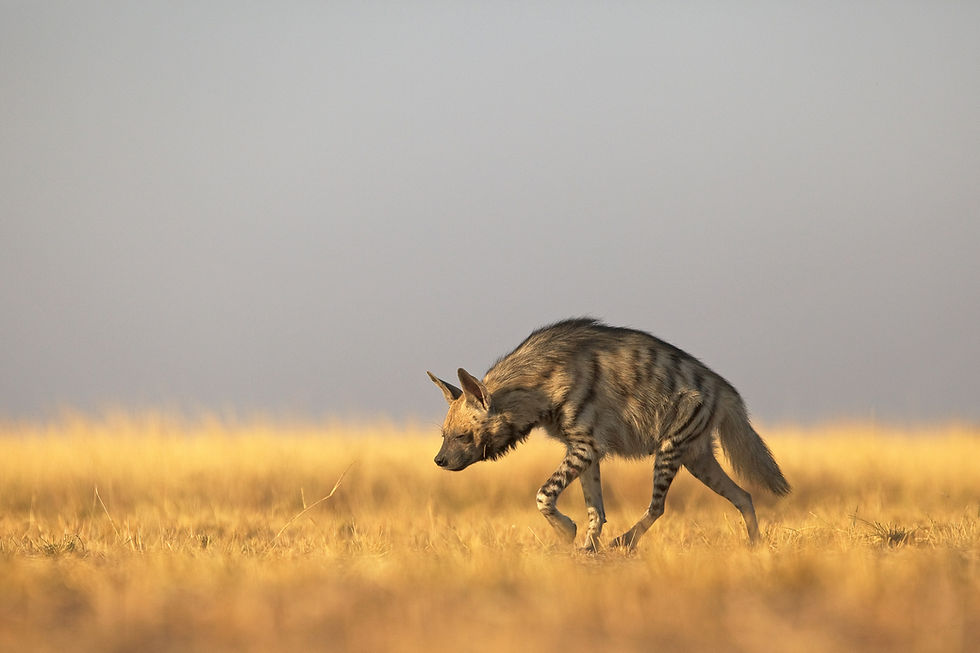
The Little Rann of Kutch is known for its open salt flats, birdlife and Indian wild ass, while Velavadar’s grasslands support blackbuck, wolves and an extraordinary variety of birds. Further south, Gir is the last natural home of the Asiatic lion, making Gujarat one of India’s most rewarding wildlife regions.
Away from the reserves, villages across Kutch are known for embroidery, weaving, block printing and other traditional crafts, often practised within family and community workshops. Historic cities and princely towns add another layer, with stepwells, mosques, palaces and richly decorated architecture.
Gujarat is especially well suited to travellers who enjoy wildlife, textiles, photography and journeys through places that still feel relatively little explored.
The best time to visit is October to March, when days are generally warm and dry and evenings can be cooler. April to June is extremely hot, especially inland, while the monsoon brings heavier rain and humidity from June to September.




.jpg)


Eastern India
RIVERS, TEA & HILL COUNTRY
Eastern India is a region of striking contrasts, from the energy of Kolkata to the tea-covered hills of Darjeeling and the quieter landscapes stretching towards the Himalayan foothills. It is a part of India shaped by rivers, trade, migration and strong regional identities, with a character that feels quite different from the north and west.
Kolkata is the natural starting point, a city of grand colonial architecture, bustling markets, neighbourhood cafés, bookshops and a rich artistic tradition. Further north, the landscape rises into cooler hill country, where tea estates, forested ridges and mountain railways create a slower pace of travel.
Smaller towns and rural communities add much of the interest, particularly for travellers who enjoy walking, photography and staying in characterful homestays or heritage properties. On clear days, the Himalayan backdrop is extraordinary, while the journey itself reveals a greener, more intimate side of India.
Eastern India is especially rewarding for travellers drawn to culture, landscapes and journeys with a strong sense of place.
The best time to visit is October to March, when the plains are cooler and drier, higher areas can be cold in winter. April to June becomes increasingly hot and humid, with the monsoon rains arriving from June to September.
The Deccan & Goa
Ancient kingdoms & coastal rhythms
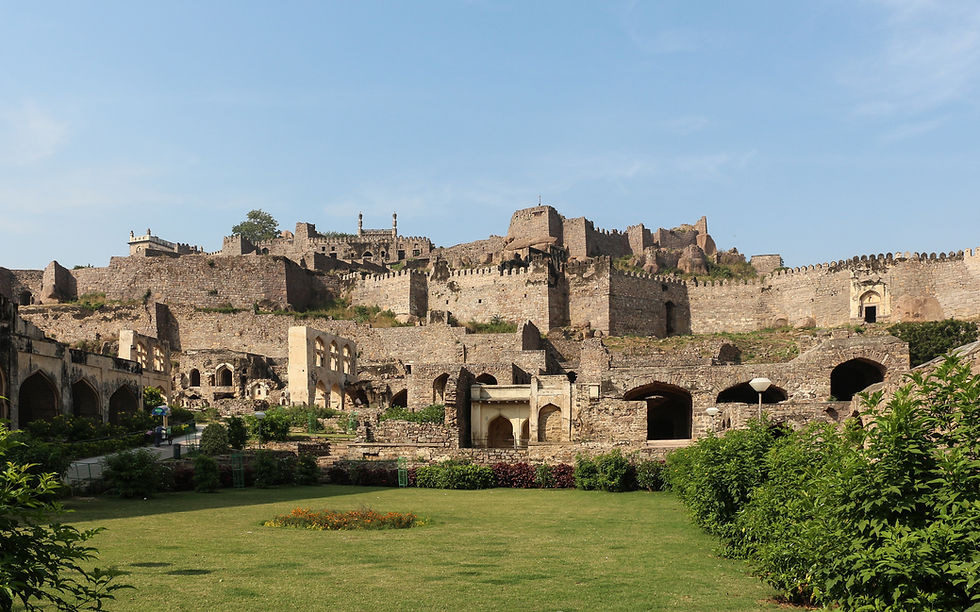
The Deccan brings together some of India’s most atmospheric historic sites with landscapes that feel entirely their own. At Hampi, the remains of the Vijayanagara Empire are scattered among giant granite boulders, riverbanks and palm groves, making this a place to explore slowly rather than simply tick off monuments. Further north, Badami and Pattadakal reveal rock-cut temples, sculpted shrines and centuries of architectural experimentation, while Hyderabad adds grand forts, palaces, bazaars and one of India’s most distinctive food cultures.
Goa provides a very different rhythm. Its beaches remain a major draw, particularly the quieter stretches of the south, but there is far more here than sea and sand. Five centuries of Portuguese rule left an unmistakable mark in Old Goa’s churches, Panaji’s colourful Latin Quarter and a cuisine shaped by coconut, seafood, spice and vinegar.
Away from the larger resorts, villages, markets, yoga, walking and small guesthouses offer a gentler way to experience the coast. Together, the Deccan and Goa make a wonderfully varied journey, combining monumental history, striking landscapes, rich food traditions and time to slow down beside the Arabian Sea.
The best time to visit is October to March. April to June can be very hot, followed by the monsoon rains from July to September.




.jpg)
.jpg)
Southern India
TEMPLES, SPICE & TROPICAL SHORES
Southern India has a character all of its own, shaped by ancient temple cities, tropical landscapes, distinctive regional cuisines and a long coastline facing both the Arabian Sea and Bay of Bengal. It is a region of extraordinary variety, where lively cities sit alongside quiet villages, forested hills, backwaters and beaches.
Tamil Nadu is particularly rich in history and architecture, with vast temple complexes, colourful markets and towns where religious traditions remain part of everyday life. Further west, the landscapes soften into the greener hills and waterways of Kerala, with tea and spice estates, wildlife reserves, coconut-lined backwaters and the Malabar Coast.
There is plenty here for active travellers too, from walking in the Western Ghats and cycling through rural countryside to wildlife watching, yoga and time on the coast. Food is another highlight, changing noticeably from state to state and often making use of coconut, tamarind, seafood, rice and aromatic spices.
Southern India works particularly well for travellers who want culture, nature and a gentler pace in the same journey.
The best time to visit is October to March, when conditions are generally warm and increasingly dry. April and May can be very hot, while the main monsoon brings heavy rain from June to September. October can still see showers, but is often a good time to travel as the rains ease and the landscape remains lush.
Ready to Start Planning
Your journey starts with a conversation.
Tell us what draws you to India, how you like to travel and what would make the experience feel truly special. We’ll listen, share our ideas and create a journey shaped around you.
There is no planning fee and no pressure. Instead, you'll find thoughtful, honest advice from a small team who genuinely care about getting it right.
Send us an email and we’ll arrange a time to chat.
